
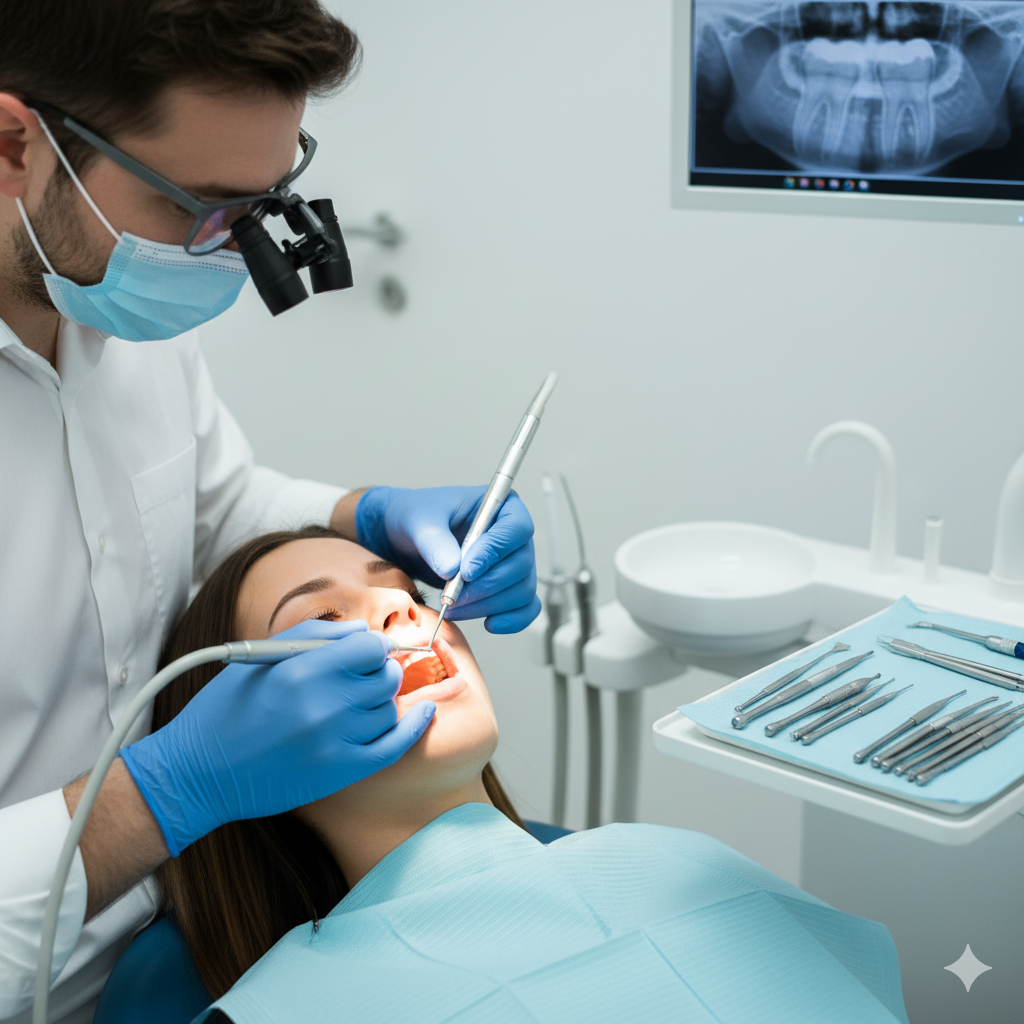
Dental problems can sometimes sneak up on you, causing sudden pain or discomfort. If a tooth starts hurting more than usual, it might be time to consider a Root Canal Recognizing the warning signs early can save your tooth and prevent further complications. At Dr. SS Dental, we help patients identify these signs and provide effective treatment options tailored to each case.
Key Symptoms That Signal a Root Canal Might Be Needed
1. Persistent Tooth Pain
A constant ache, especially when biting or chewing, is one of the most common signs that your tooth may be infected. Pain may come and go at first, but if it persists, it should not be ignored.
2. Sensitivity to Hot and Cold
Temporary sensitivity is normal, but prolonged pain or sharp discomfort could indicate the nerve inside your tooth is affected, signaling the need for Root Canal Treatment in Kasturi Nagar.
3. Swelling and Tenderness
Swelling around the gums, jaw, or face near the painful tooth may indicate infection that needs professional care. Prompt attention can prevent the infection from spreading.
4. Tooth Discoloration
A darkening or grayish tint of your tooth can suggest nerve damage inside the tooth. This may develop gradually and often goes unnoticed until pain occurs.
5. Pimples on Gums
Small bumps or pimples on the gums near the affected tooth may indicate pus buildup. This is a clear sign to visit a dentist, as the infection could worsen if left untreated.
Is a Root Canal Really Painful? Here’s the Truth
Many people worry that a root canal will be painful, but modern dentistry has made the process much more comfortable.
What Happens During a Root Canal?
At Dr. SS Dental, the procedure involves:
-
Numbing the area with local anesthesia to prevent pain.
-
Removing the infected tissue carefully from inside the tooth.
-
Cleaning and shaping the root canals to eliminate infection.
-
Filling and sealing the tooth to restore its function and strength.
Will You Feel Pain?
Thanks to anesthesia, most patients feel minimal discomfort. You might notice some pressure or mild soreness, which is completely normal.
After the Procedure
Slight soreness for a few days is common, especially while chewing. Over-the-counter pain relievers are usually enough to manage this discomfort.
Tips to Reduce Discomfort
-
Eat soft foods for a day or two.
-
Avoid very hot or cold foods immediately after treatment.
-
Maintain good oral hygiene to support healing.
-
Rinse gently with warm salt water to reduce inflammation.
At Dr. SS Dental, our team ensures Root Canal Treatment is smooth, painless, and stress-free, helping you restore your dental health quickly and safely.
Other Options Besides a Root Canal
Not every tooth problem needs a root canal. Depending on the situation, you may consider:
-
Dental Filling: For minor decay that hasn’t reached the nerve.
-
Dental Crown: Strengthens a damaged tooth with a healthy nerve.
-
Pulp Capping: Protects a slightly exposed nerve to allow natural healing.
-
Extraction & Replacement: If the tooth can’t be saved, it can be removed and replaced with an implant, bridge, or denture.
Final Thoughts
Root canal treatment is often the best way to save an infected tooth and prevent future problems. Understanding the signs early, knowing what to expect during the procedure, and being aware of alternative options can help you make informed decisions about your dental care.
At Dr. SS Dental, we are committed to helping patients maintain healthy teeth and a confident smile. If you notice any of the symptoms mentioned, consulting our experts can ensure the right treatment is chosen for your comfort and long-term dental health. Early attention can make treatment simpler, faster, and less stressful, keeping your smile strong for years to come.